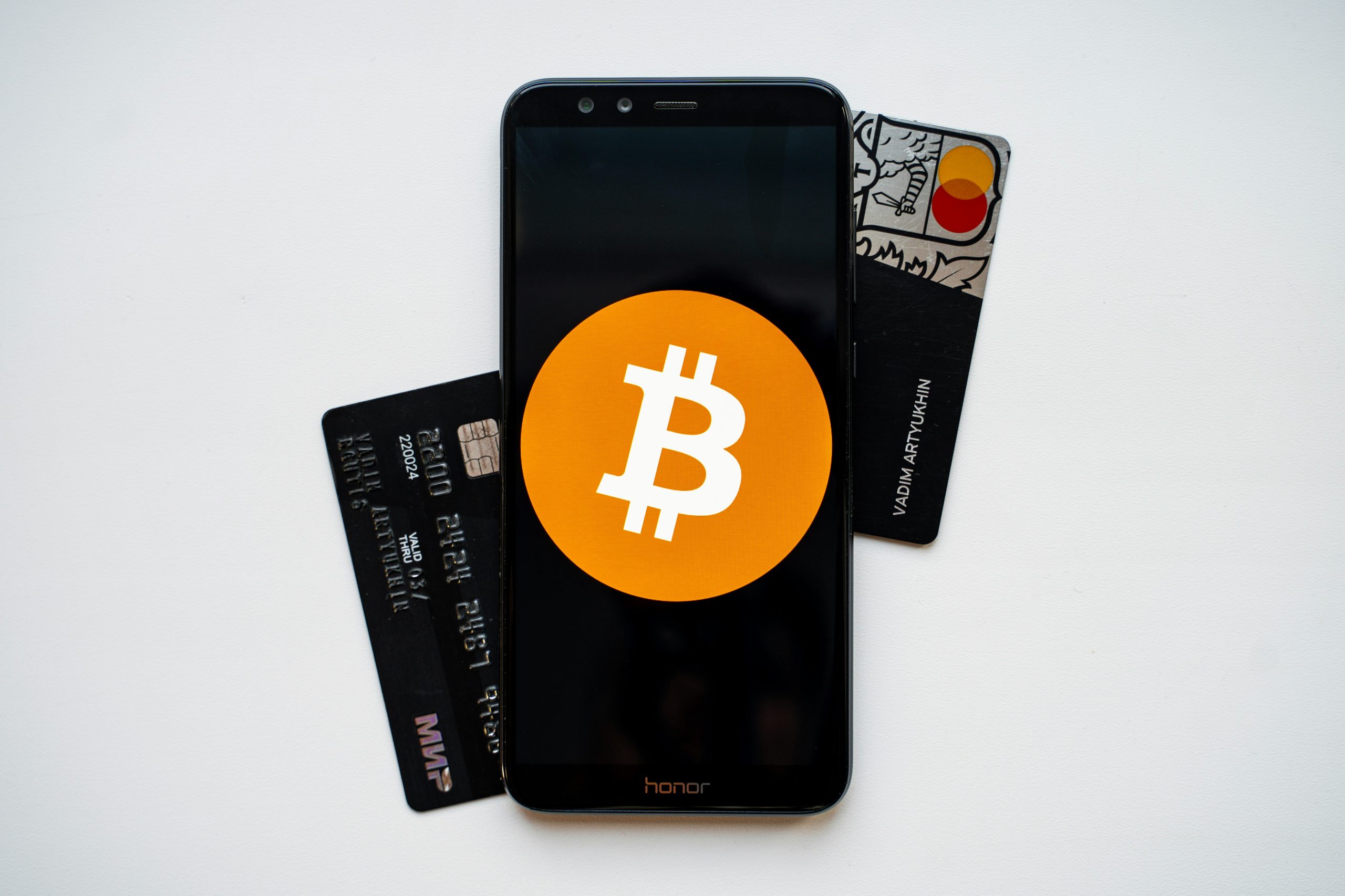
Many football teams participating in the World Cup are indeed exploring, and in some cases, actively implementing, cryptocurrency payments for various purposes. This isn’t a widespread, overnight revolution, but a gradual integration driven by several factors, including fan engagement, sponsorship deals, and technological innovation. It’s less about replacing traditional finance entirely and more about expanding options and tapping into a different demographic. We’re seeing everything from tokenized fan experiences to direct payment options for merchandise, and even player salaries being discussed in crypto.
For football clubs, embracing digital currencies offers a multifaceted appeal. It’s not just a passing trend; there are concrete strategic advantages that make crypto an attractive proposition. These benefits extend beyond simple transactions, touching on areas of branding, supporter interaction, and financial flexibility.
Enhanced Fan Engagement and Loyalty
One of the primary drivers behind clubs adopting crypto is the potential for deeper fan engagement. Traditional loyalty programs often feel limited, but blockchain technology opens up new avenues.
Fan Tokens and Their Utility
Fan tokens, often issued on platforms like Socios.com, allow supporters to purchase digital assets that confer voting rights on minor club decisions (e.g., uniform design, stadium music) and access to exclusive content and experiences. This creates a sense of ownership and participation that goes beyond simply buying merchandise or tickets. For example, some clubs have allowed token holders to decide on the design of the team bus or the message displayed on the captain’s armband. This direct involvement can convert passive supporters into active participants, strengthening their bond with the team. These tokens can also be traded, adding a speculative element that appeals to a certain segment of the fan base.
Exclusive Digital Collectibles (NFTs)
Non-Fungible Tokens (NFTs) offer another layer of engagement. Clubs can create unique digital collectibles, such as highlight reels, player cards, or virtual merchandise, which fans can own and trade. This taps into the growing digital collector market and provides new revenue streams for clubs. Imagine owning a limited-edition NFT celebrating a historic goal or a digital jersey signed by your favorite player. These assets not only offer bragging rights but can also appreciate in value, further incentivizing fan participation. The scarcity and verifiable ownership inherent in NFTs make them appealing to collectors.
New Revenue Streams and Sponsorship Opportunities
Beyond fan engagement, crypto presents significant opportunities for clubs to diversify their revenue streams and attract new sponsors. The digital asset space is a rapidly growing market, and being an early adopter can provide a competitive edge.
Strategic Blockchain Partnerships
Many clubs are partnering with blockchain companies, cryptocurrency exchanges, or Web3 platforms. These partnerships often involve sponsorship deals where crypto brands prominently feature on jerseys, stadium advertisements, or digital platforms. The influx of capital from these partnerships can be substantial, providing clubs with additional funds for player transfers, infrastructure improvements, or youth development programs. These deals also expose the club’s brand to a global audience interested in crypto, potentially attracting a new demographic of supporters and investors.
Direct Crypto Sales of Merchandise and Tickets
Offering cryptocurrency as a payment option for merchandise, tickets, and concessions can attract a tech-savvy audience and streamline transactions for international fans who might face challenges with traditional banking systems. This is particularly relevant given the global nature of football fandom. Imagine a fan in a country with strict capital controls or high transaction fees making a purchase directly with crypto, avoiding intermediaries and potentially saving money. While not yet universally adopted, this capability is gaining traction, signaling a move towards greater financial inclusivity for supporters worldwide.
As the World Cup approaches, the integration of cryptocurrency payment systems is becoming a hot topic among fans and stakeholders alike. A related article discusses how digital currencies are transforming the way fans engage with the tournament, providing new avenues for purchasing tickets and merchandise. For more insights on this evolving trend, you can read the full article here: here.
Practical Implementations and Case Studies
It’s one thing to discuss the theoretical benefits; it’s another to see how clubs are actually integrating these technologies into their operations. The following examples highlight some of the diverse ways World Cup teams and their associated clubs are venturing into the crypto space.
European Football’s Head Start
European clubs, with their long-standing global reach and established financial models, have been among the quickest to explore and adopt crypto solutions. Their large fan bases and readiness to experiment with new technologies make them prime candidates for such innovations.
Paris Saint-Germain (PSG) and Fan Tokens
PSG is a prime example of a club that has heavily embraced fan tokens through its partnership with Socios.com. Their PSG Fan Token has allowed holders to vote on key decisions, like the team’s Player of the Season award or the messages displayed on the team bus. This has not only generated significant revenue for the club but has also provided a new layer of interaction for their global fan base. The token’s trading volume demonstrates a keen interest from both fans and speculative investors. This model has been replicated by many other major European clubs, showcasing its effectiveness.
Manchester City and OKX Sponsorship
Manchester City, a powerhouse in English football, has formed a multi-year sponsorship deal with OKX, one of the world’s leading cryptocurrency exchanges. This partnership sees OKX branding prominently displayed at the Etihad Stadium and on various digital platforms. Beyond pure sponsorship, there’s potential for future collaborations involving NFTs and Web3 experiences tailored for Cityzens globally. This type of high-profile partnership not only brings financial gain to the club but also legitimizes the crypto industry in the eyes of mainstream audiences. It’s a mutual benefit, aligning a reputable football brand with a growing technology.
Expanding Beyond Europe: Global Adoption
While European clubs might have led the charge, teams and football associations from other continents are also recognizing the strategic importance of crypto. This global expansion demonstrates the universal appeal of these digital innovations within the football ecosystem.
Brazilian Clubs and Bitcoin Payments
Several prominent clubs in Brazil, a nation passionate about football, have started accepting Bitcoin as payment for tickets and merchandise. This move caters to a tech-savvy segment of their fan base and positions these clubs as forward-thinking institutions. For some, it might also offer a more accessible payment method in a country with varying financial infrastructure. The direct acceptance of a major cryptocurrency like Bitcoin simplifies the transaction process for many, reducing intermediaries and potentially offering faster settlement times for the club. This demonstrates a practical application aimed at enhancing the transactional experience.
Saudi Pro League and Potential Crypto Integration
While not yet fully implemented across all clubs, there’s growing discussion and exploratory phases within the Saudi Pro League regarding crypto integration. The significant investment in football within the Kingdom and the presence of tech-forward initiatives suggest a high likelihood of clubs there adopting fan tokens, NFT schemes, or crypto payment gateways in the near future. The ambition and financial capacity within the Saudi Arabian football landscape provide fertile ground for extensive blockchain and cryptocurrency integration, potentially setting new benchmarks for innovation in the sport.
The Underlying Motivations and Challenges

The decision to adopt cryptocurrency payments or integrate blockchain technology is not without its complexities. Clubs weigh potential benefits against a range of challenges, from regulatory hurdles to technical implementation.
As the World Cup approaches, discussions around innovative payment systems, particularly those involving cryptocurrency, are gaining momentum. Fans and stakeholders alike are eager to explore how digital currencies can enhance the experience of the tournament. For a deeper understanding of this trend and its implications for the sports industry, you can check out a related article that delves into the intersection of crypto and sports at 88 Football TV. This exploration not only highlights the potential benefits but also addresses the challenges that come with integrating such technologies into traditional sporting events.
Financial and Operational Efficiency
One often overlooked aspect is the potential for improved financial and operational efficiency. Traditional payment systems can be slow and costly, especially for international transactions.
Faster Cross-Border Transactions
For clubs engaging in international transfers, managing global fan bases, or dealing with international sponsorships, crypto can offer faster and cheaper cross-border transactions. Eliminating intermediaries can reduce fees and accelerate settlement times, which can be particularly beneficial in a fast-paced environment like professional football. Imagine a club receiving sponsorship payments from a global partner instantly, rather than waiting days for bank transfers to clear. This speed and efficiency can have positive implications for cash flow management.
Reduced Transaction Fees
Compared to traditional credit card processors or international wire transfers, certain cryptocurrencies can offer significantly lower transaction fees. This can lead to cost savings for clubs, particularly those with a high volume of small transactions, such as merchandise sales. While volatility remains a concern, stablecoins tied to fiat currencies can mitigate some of this risk while still offering the benefits of reduced fees and faster processing. Optimizing these operational costs directly impacts the club’s bottom line.
Regulatory Landscape and Volatility Concerns
However, the crypto space is still nascent and comes with its own set of challenges, particularly concerning regulation and price stability. These factors require careful consideration by clubs and their financial teams.
Evolving Legal and Compliance Frameworks
The regulatory landscape for cryptocurrencies varies heavily from country to country and is constantly evolving. Clubs must navigate complex legal frameworks concerning anti-money laundering (AML), know-your-customer (KYC) regulations, and consumer protection. Failure to comply can result in severe penalties and reputational damage. This uncertainty means clubs often proceed cautiously, seeking expert legal advice before fully committing to widespread crypto adoption. The lack of a uniform global standard adds layers of complexity that traditional financial systems have largely overcome.
Market Volatility and Risk Management
Cryptocurrency markets are known for their price volatility. While this can present opportunities, it also poses risks. Clubs accepting payments in volatile cryptocurrencies need robust risk management strategies, such as immediate conversion to fiat currency or holding a diversified portfolio of stablecoins. For player salaries or large sponsorship deals, price fluctuations could significantly impact the actual value received or paid. This inherent unpredictability makes long-term financial planning challenging if not properly addressed with hedging strategies and careful asset management.
The Future Trajectory of Crypto in Football

Looking ahead, it’s clear that the integration of cryptocurrency into professional football is not a temporary phenomenon, but an ongoing development. The speed and extent of this integration will depend on technological advancements, regulatory clarity, and the continued willingness of clubs and fans to embrace new digital paradigms.
Web3 and the Metaverse in Sports
The broader Web3 ecosystem, including the metaverse, presents further opportunities for football clubs. Imagine virtual stadiums, immersive fan experiences, and digital fashion for avatars all powered by blockchain technology.
Immersive Fan Experiences
Clubs are already exploring how to create more immersive fan experiences in the metaverse. This could involve virtual watch parties, interactive training sessions with digital players, or even virtual stadium tours for fans who cannot attend in person. NFTs could play a crucial role in enabling access to these exclusive metaverse experiences, further blurring the lines between physical and digital fandom. The opportunity to engage fans globally, regardless of geographical constraints, is a significant draw.
Digital Collectibles and Gaming Integration
The synergy between NFTs, gaming, and football is immense. Imagine officially licensed digital trading card games, fantasy leagues powered by blockchain, or in-game assets directly linked to real-world player performance. These integrations can generate new revenue streams and engage a younger, digitally native audience, ensuring the sport remains relevant in an increasingly digital world. The gamification of fandom through Web3 applications offers exciting possibilities for sustained engagement.
The Role of Decentralized Finance (DeFi)
Beyond payments and fan tokens, decentralized finance (DeFi) could also find its way into football. This might involve new financing models for clubs or even innovative ways for fans to invest in their favorite teams.
New Financing Models for Clubs
DeFi platforms could offer clubs new avenues for fundraising, perhaps through tokenized bonds or crowd-sourced loans, bypassing traditional financial institutions. This could provide more flexible and potentially cheaper capital for ambitious projects, such as stadium renovations or high-profile player acquisitions. The transparency and efficiency inherent in DeFi could appeal to clubs looking for alternative financial solutions, particularly those in emerging markets where traditional finance might be less accessible or more expensive.
Fan-Powered Investment Opportunities
While still largely speculative, the concept of fans directly owning fractional shares of their favorite clubs through tokenized equity is a long-term possibility. This would go beyond fan tokens, offering actual financial stakes and a greater sense of ownership. Such models would require significant regulatory clarity, but they represent the ultimate expression of fan engagement and could fundamentally alter the relationship between clubs and their supporters, democratizing ownership in a novel way. The potential for a more direct, collective ownership model is a powerful concept within the ethos of decentralized finance.
FAQs
What is a World Cup crypto payment system?
A World Cup crypto payment system is a digital payment platform that allows users to make transactions using cryptocurrencies during the FIFA World Cup event.
How does a World Cup crypto payment system work?
A World Cup crypto payment system works by integrating with the existing payment infrastructure at the World Cup venues, allowing fans and participants to make purchases using cryptocurrencies such as Bitcoin, Ethereum, or other digital assets.
What are the benefits of using a World Cup crypto payment system?
Using a World Cup crypto payment system offers benefits such as faster transactions, lower fees, increased security, and the ability to make international payments without the need for currency conversion.
Which cryptocurrencies are typically accepted by World Cup crypto payment systems?
World Cup crypto payment systems typically accept popular cryptocurrencies such as Bitcoin, Ethereum, Litecoin, and other widely used digital assets.
Are World Cup crypto payment systems widely adopted at FIFA events?
As of now, World Cup crypto payment systems are not widely adopted at FIFA events, but there is growing interest and potential for their integration in the future.