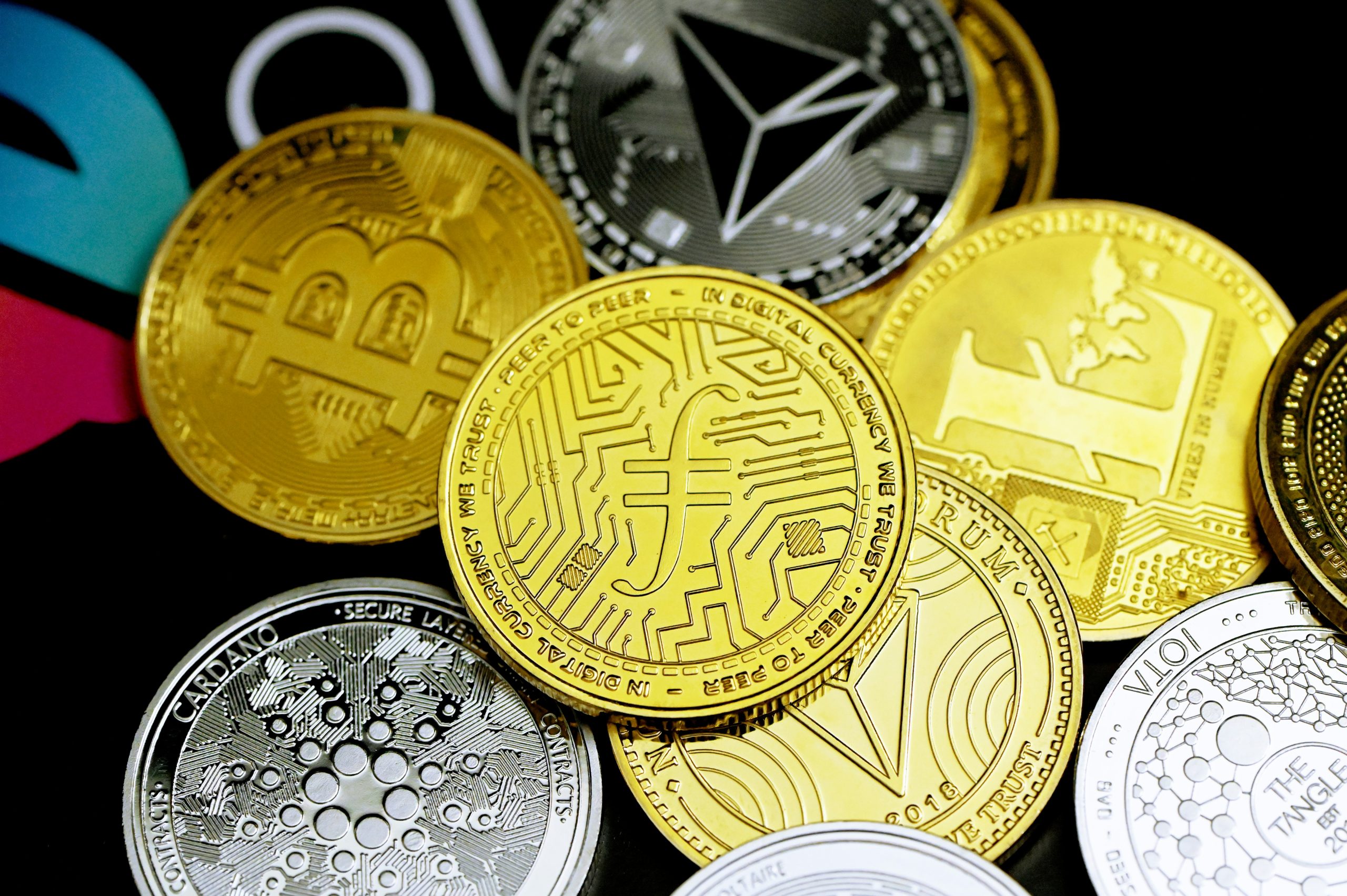
You’ve probably heard the buzz: the World Cup is diving into the crypto world. It sounds a bit like mixing sports with… well, digital money. But what does that actually mean? Essentially, it’s about finding smart, practical ways to use cryptocurrency and blockchain tech to enhance the fan experience, streamline operations, and even create new opportunities around the tournament. It’s less about just slapping a crypto logo on things and more about leveraging the unique capabilities of this technology.
The World Cup is all about passion and collecting memories. Now, imagine taking those memories and making them digital, unique, and ownable. That’s where NFTs, or non-fungible tokens, come into play. They’re essentially digital certificates of ownership for unique items, and when it comes to a global event like the World Cup, the possibilities are pretty exciting.
Digital Trading Cards That Are Actually Yours
Think back to the old days of trading soccer stickers or cards. NFTs are like the modern, digital version of that, but with a crucial difference: ownership. Instead of just having a pretty picture, you can truly own a digital trading card of an iconic moment, a legendary player, or even a team’s crest. These aren’t just static images; they can be dynamic, showing highlight reels or player stats. The scarcity and uniqueness are verifiable on the blockchain, meaning you know exactly what you’re buying and its provenance. This creates a sense of rarity and collectibility that traditional digital content often lacks.
Commemorative Moments as Unique Assets
Beyond player cards, imagine owning a piece of history. Perhaps a limited-edition NFT representing the winning goal of a crucial match, or a digital artwork depicting the trophy lift. These aren’t just digital souvenirs; they are verifiable assets that fans can hold, trade, or even display in virtual galleries. This adds a new dimension to fandom, allowing people to invest in their connection to the tournament in a tangible, albeit digital, way.
Gamified Experiences with Rewards
NFTs can also be integrated into interactive games and challenges. Imagine participating in fantasy leagues where your player picks are represented by NFTs, or completing fan challenges to earn unique digital badges. These NFTs could offer special perks, like access to exclusive content, early ticket sales for future events, or even virtual meet-and-greets. This transforms passive spectating into an active, rewarding experience.
Building Community and Loyalty
The scarcity and ownership associated with NFTs can foster a strong sense of community among collectors. Fans who own specific NFTs might form online groups, share their collections, and discuss their value. This can build a loyal base of supporters who are deeply invested in the World Cup ecosystem, extending beyond just the duration of the tournament.
As the world gears up for the next World Cup, the integration of cryptocurrency into sports is becoming increasingly prominent. A fascinating article that explores the various use cases of crypto in the context of the World Cup can be found at this link: World Cup: A Unique Intersection of Sports and Cryptocurrency. This article delves into how digital currencies are reshaping fan engagement, ticket sales, and merchandise transactions, highlighting the innovative ways in which the sports industry is embracing blockchain technology.
Streamlining Ticketing and Access with Blockchain
Getting tickets to a major sporting event can be a headache, often involving scalpers, counterfeits, and complex resale markets. Blockchain technology offers a potential solution to make ticketing more secure, transparent, and efficient.
Preventing Counterfeit Tickets
One of the biggest issues with high-demand events is the prevalence of fake tickets. Blockchain’s inherent immutability means that once a ticket is issued as a digital asset on the blockchain, it cannot be duplicated or altered. Each ticket can be a unique token, verifiable by anyone with access to the blockchain, significantly reducing the risk of fraud.
Transparent and Secure Resale Markets
The current resale market for event tickets can be a murky area. With blockchain-based ticketing, the resale process can be built directly into the system. This allows for transparent pricing, with original purchasers potentially earning a percentage of the resale value, and organizers having more oversight. It could also enable features like capped resale prices, making it fairer for genuine fans.
Easier Access Control and Verification
Imagine a system where your digital ticket is simply scanned from your phone, with that scan immutably recorded on the blockchain. This can expedite entry and provide a clear audit trail for attendance. It also opens the door for future innovations, like linking tickets to fan profiles for personalized experiences once inside the stadium.
Reducing Administrative Costs
For organizers, managing ticket sales and distribution can be a complex and costly endeavor. Implementing a blockchain-based ticketing system could potentially streamline these processes, reduce the need for intermediaries, and lower operational overheads, leading to more efficient management of the event.
Fan Commerce and Payment Innovations

Beyond tickets, the World Cup involves a vast amount of transactions, from merchandise sales to food and drink at the stadium. Crypto payments can offer speed, lower fees, and new ways for fans to interact financially with the event.
Direct Fan-to-Merchant Payments
Allowing fans to pay for merchandise, concessions, or even official World Cup experiences using cryptocurrencies can be a game-changer. This bypasses traditional payment networks, potentially leading to faster transaction settlements and reduced transaction fees for both the vendor and the consumer. It also caters to a growing demographic that prefers using digital assets for payments.
Loyalty Programs and Token-Gated Experiences
Organizers can introduce their own branded tokens or utilize existing cryptocurrencies for loyalty programs. Holding a certain amount of a specific token could grant fans access to exclusive merchandise discounts, VIP areas, or even special content. This creates an incentive for fans to engage with the event’s ecosystem beyond just purchasing tickets.
Supporting Global Fan Bases
The World Cup is a truly global event. For fans in countries where traditional banking services might be less accessible or where cross-border transactions are expensive, cryptocurrencies can offer a more inclusive and affordable payment solution. It levels the playing field, allowing fans from all corners of the globe to participate more freely.
New Avenues for Sponsorship and Partnerships
Brands looking to engage with the World Cup audience might find new opportunities in the crypto space. Integrating crypto payments for merchandise or offering exclusive crypto-based promotions can be an attractive way for sponsors to reach a tech-savvy audience and demonstrate innovation.
Decentralized Fan Communities and Governance

The idea of fans having a say in decisions related to their favorite teams or sporting events is gaining traction. Blockchain’s decentralized nature can facilitate this, giving supporters a more direct voice.
Fan Tokens for Decision-Making Power
Many football clubs already experiment with fan tokens, which are cryptocurrencies that grant holders voting rights on certain club decisions. Imagine this at the World Cup level: fans could vote on things like jersey designs for national teams, future tournament locations (in a broader sense), or even which charity initiatives the tournament should support.
Building Direct Relationships with Fans
Decentralized autonomous organizations (DAOs) – essentially groups governed by code and community consensus – can be used to manage fan communities. This allows for more direct interaction between fans and the World Cup organizers, fostering a sense of ownership and involvement.
Creating New Revenue Streams for Content Creators
| Country | Usage | Adoption Rate |
|---|---|---|
| Argentina | Fan tokens for team voting | High |
| Portugal | Blockchain ticketing | Medium |
| Spain | Player collectibles on NFT platforms | Low |
The World Cup generates a massive amount of content, from analysis and commentary to fan-made videos. Blockchain can enable creators to monetize their content directly through tokenomics, crowdfunding, or NFTs, bypassing traditional gatekeepers and ensuring they are fairly rewarded for their contributions.
Empowering Emerging Markets
In regions where access to traditional financial systems is limited, decentralized fan communities can offer a more equitable way for individuals to participate in and benefit from the World Cup ecosystem. It democratizes access to influence and economic opportunities related to the event.
As the World Cup approaches, discussions around innovative use cases for cryptocurrency in sports are gaining momentum. Fans are increasingly interested in how digital currencies can enhance their experience, from purchasing tickets to engaging with exclusive content. For a deeper dive into this topic, you can explore the article on the potential implications of crypto in the World Cup by following this link: World Cup crypto use cases, which highlights the evolving landscape of fan engagement through blockchain technology.
Future Integration and Evolving Use Cases
The World Cup’s foray into crypto isn’t just a one-off experiment; it’s likely a sign of things to come. As the technology matures and regulations become clearer, we can expect even more innovative applications.
Merging Physical and Digital Worlds Seamlessly
Imagine augmented reality (AR) experiences at stadiums where pointing your phone at a player displays their stats or a special NFT associated with them. Or virtual fan zones where supporters can interact with each other and watch games together in a digital space, their avatars equipped with digital merchandise.
Enhanced Betting and Fantasy Sports
While traditional betting already exists, blockchain can offer more transparent and potentially fairer betting platforms. Smart contracts can automate payouts, removing the need for intermediaries and ensuring all bets are settled according to predefined rules. Fantasy sports can also become more robust with player performance tied to verifiable on-chain data.
Sustainable Initiatives and Charitable Giving
Blockchain can be used to track donations to charitable causes associated with the World Cup transparently. For example, a portion of NFT sales could be automatically directed to specific charities, with every transaction auditable on the blockchain, ensuring accountability and trust.
Education and Onboarding for New Users
As crypto becomes more integrated, there will be a need for platforms and initiatives that educate fans about how to use these technologies safely and effectively. The World Cup could serve as a prime opportunity to introduce a broad audience to the basics of digital currencies and blockchain.
The integration of crypto into the World Cup is a multifaceted development, moving beyond simple transactional uses to explore deeper engagement, operational efficiencies, and community building. It’s about harnessing the power of blockchain and digital assets to create a richer, more inclusive, and more dynamic experience for fans worldwide.
FAQs
What are some crypto use cases for the World Cup?
Some crypto use cases for the World Cup include ticket sales and purchases using cryptocurrencies, betting on World Cup matches with crypto, and sponsorship deals paid in cryptocurrency.
How are cryptocurrencies used in ticket sales for the World Cup?
Cryptocurrencies can be used to purchase World Cup tickets through online ticketing platforms that accept digital currencies as a form of payment. This provides fans with an alternative payment method and can streamline the ticket purchasing process.
What are the advantages of using crypto for betting on World Cup matches?
Using cryptocurrencies for betting on World Cup matches can provide advantages such as faster transaction speeds, lower fees, and increased privacy for bettors. Additionally, it can allow for betting across international borders without the need for currency conversion.
Are there any risks associated with using cryptocurrencies for World Cup transactions?
Some risks associated with using cryptocurrencies for World Cup transactions include price volatility, potential security vulnerabilities, and regulatory uncertainty. It’s important for users to be aware of these risks and take necessary precautions when using crypto for World Cup-related activities.
How are sponsorship deals paid in cryptocurrency related to the World Cup?
Sponsorship deals paid in cryptocurrency for the World Cup involve companies or organizations providing financial support or services in the form of digital currencies to teams, players, or events associated with the tournament. This can help promote the adoption and use of cryptocurrencies within the sports industry.